Understanding Local Regulations and Requirements for Building in Kingston upon Hull


Understanding local regulations and requirements is crucial for anyone planning to build in Kingston upon Hull. Navigating the complexities of planning permissions, building codes, and environmental considerations can be daunting. This guide aims to simplify these aspects and provide you with a comprehensive overview.
Planning Permissions
Before starting any construction project, you need to determine whether planning permission is required. In Kingston upon Hull, this process is managed by the local council. Planning permission ensures that your project aligns with the local development plan and considers factors such as aesthetics, impact on neighbors, and environmental sustainability.
It's advisable to consult with a planning officer early in your project to understand specific requirements and avoid potential pitfalls. This proactive approach can save time and resources in the long run.
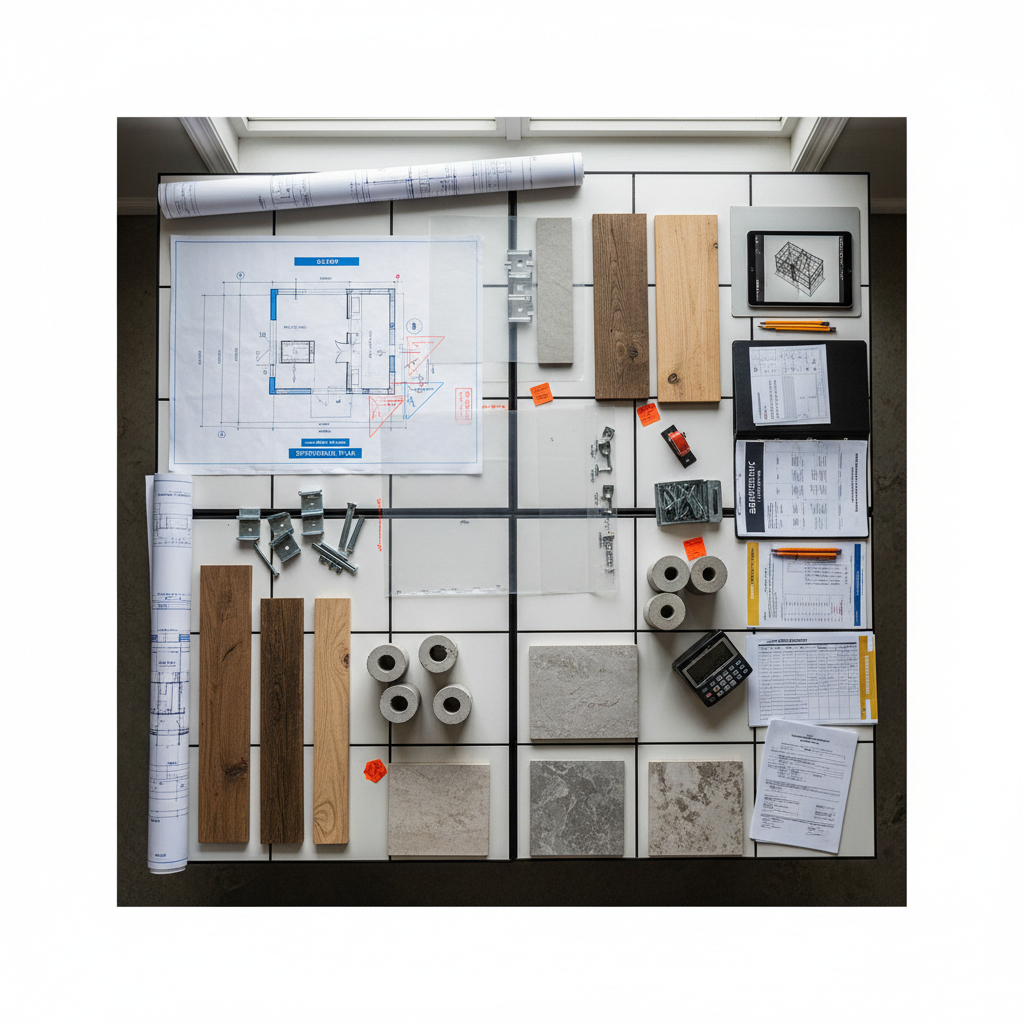
Building Regulations
Building regulations set the standards for design, construction, and alterations to ensure safety and accessibility. These regulations cover various aspects, including structural integrity, fire safety, and energy efficiency.
In Kingston upon Hull, building regulations approval is separate from planning permission. You must submit detailed plans to the local authority's building control service. Engaging a professional architect or surveyor can help ensure your project complies with these regulations.
Key Areas of Compliance
- Structural Safety
- Fire Safety Measures
- Energy Efficiency Standards
- Accessibility Requirements
Adhering to these standards not only ensures compliance but also enhances the quality and value of your building.
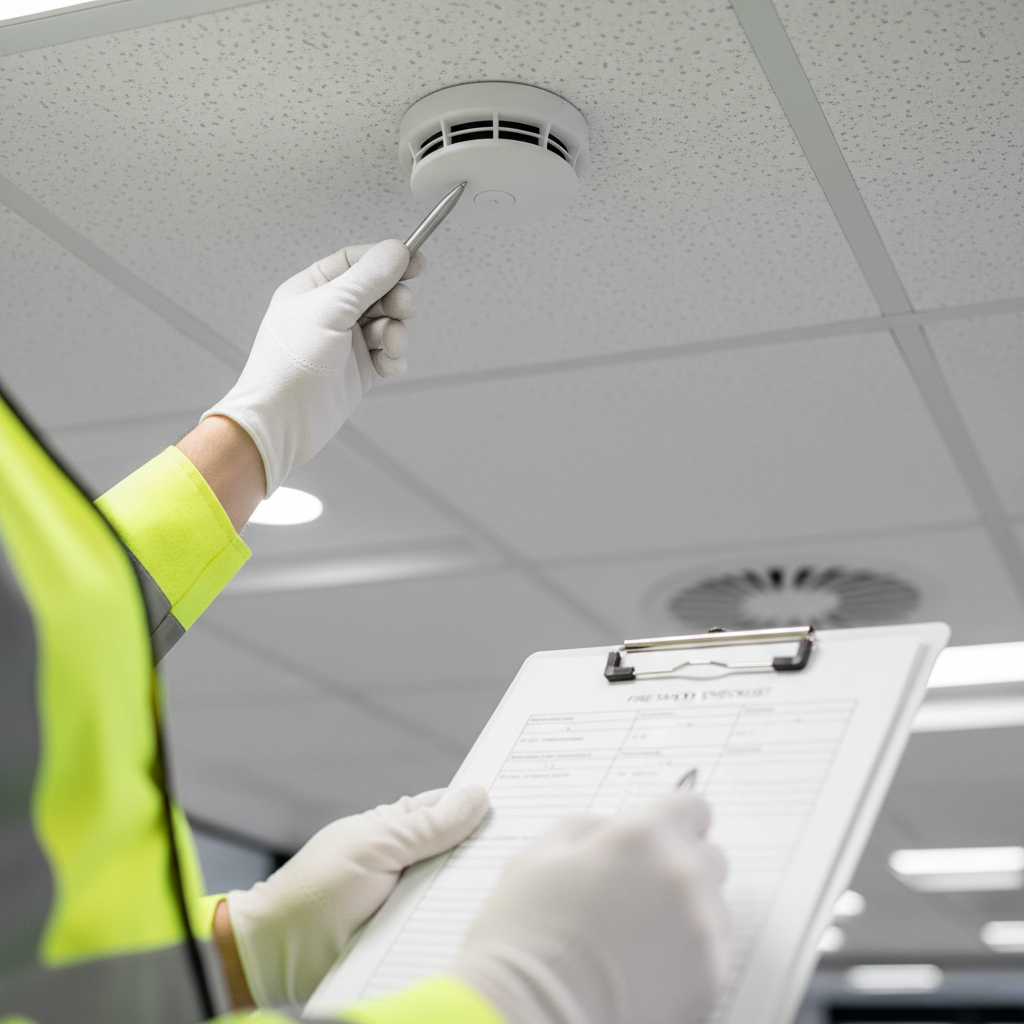
Environmental Considerations
Environmental impact is a significant consideration in modern building projects. In Kingston upon Hull, developers must assess how their projects affect local ecosystems and comply with sustainability guidelines.
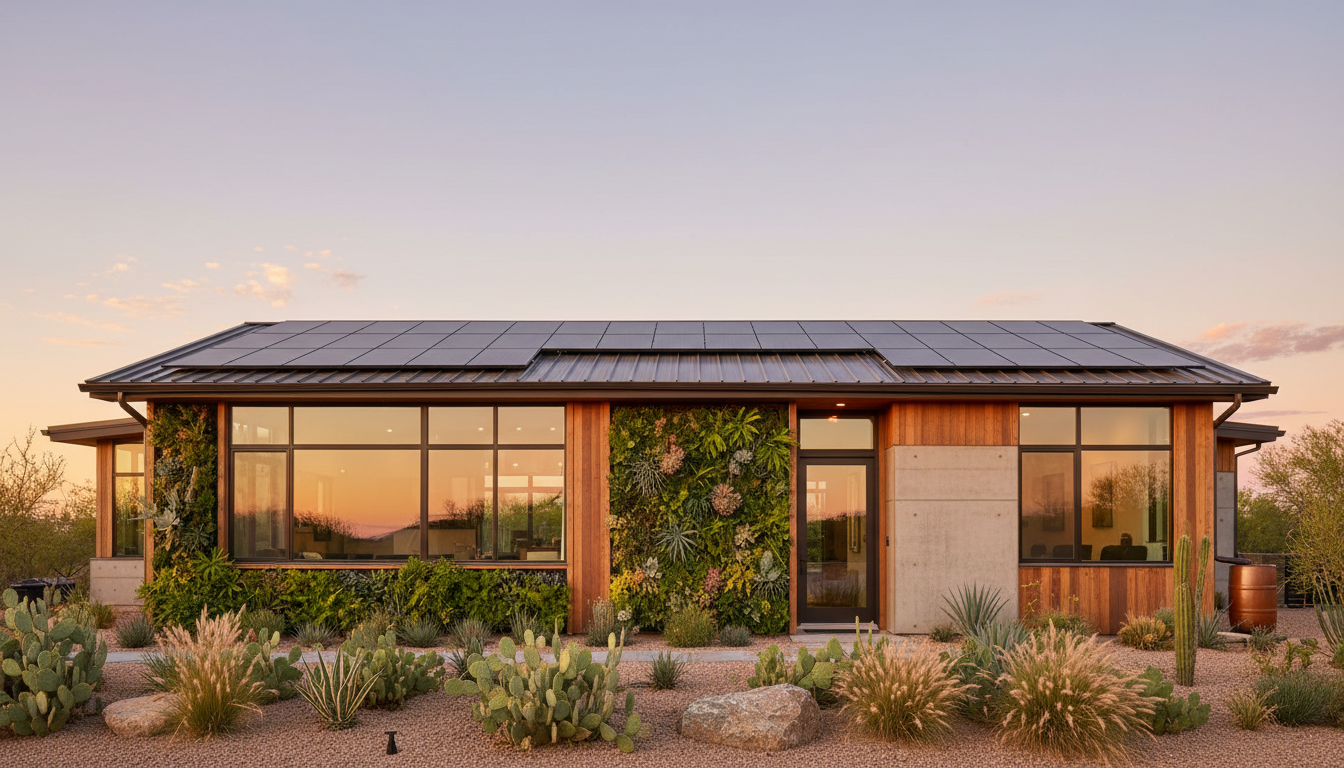
Incorporating green building practices, such as using sustainable materials and renewable energy sources, can be beneficial. These practices not only support environmental goals but can also provide long-term cost savings.
Green Building Strategies
- Utilize Energy-efficient Appliances
- Incorporate Water-saving Fixtures
- Use Recycled or Sustainable Materials
- Implement Renewable Energy Solutions
Community Engagement
Engaging with the local community is an essential part of the building process in Kingston upon Hull. Early and transparent communication can help alleviate concerns and build support for your project.
Consider hosting community meetings or information sessions to discuss your plans and gather feedback. This engagement is not only beneficial for obtaining support but can also provide valuable insights that enhance your project.
Conclusion
Building in Kingston upon Hull requires a thorough understanding of local regulations and requirements. By securing proper planning permissions, adhering to building regulations, considering environmental impacts, and engaging with the community, you can ensure a successful project.
For further guidance, working with local experts like architects, planners, and legal advisors can provide invaluable assistance, helping you navigate the complexities of the building process with confidence.