Sustainable Building Practices: A Look at Trends and Innovations


Understanding Sustainable Building Practices
The construction industry is undergoing a transformation as sustainable building practices become increasingly prevalent. These practices focus on reducing the environmental impact of buildings while enhancing occupant comfort and health. As concerns about climate change and resource depletion grow, the push for sustainability in construction is more important than ever.
Sustainable building practices encompass a wide range of strategies, from energy-efficient designs to the use of eco-friendly materials. By prioritizing sustainability, developers not only contribute to environmental conservation but also benefit from cost savings and improved building performance.
Innovative Materials and Technologies
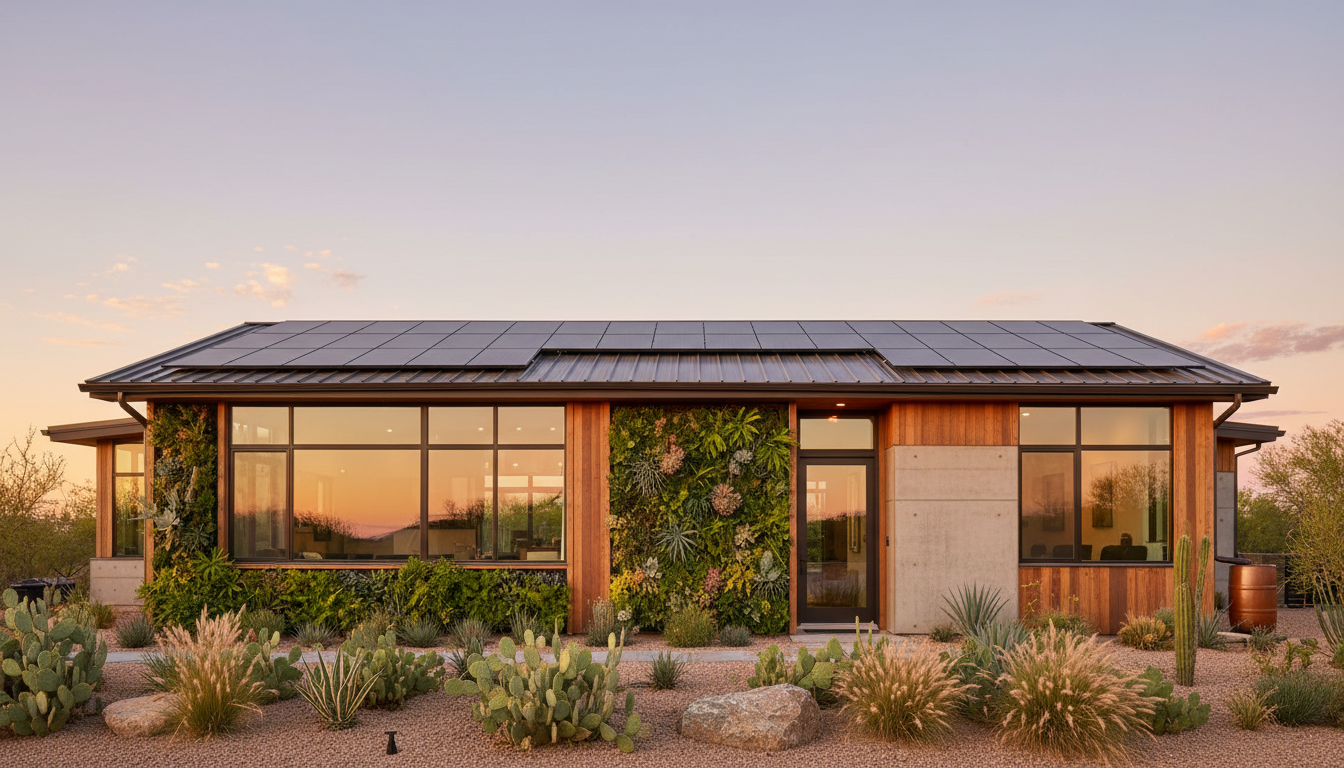
One of the most significant trends in sustainable building is the use of innovative materials and technologies. Advances in material science have led to the development of products that are not only environmentally friendly but also enhance the structural integrity and energy efficiency of buildings.
For instance, cross-laminated timber (CLT) is gaining popularity as a sustainable alternative to traditional steel and concrete. CLT is not only renewable but also offers excellent thermal performance and reduced carbon emissions. Similarly, smart glass technology that adjusts its tint based on sunlight exposure is being adopted to optimize energy use in buildings.
Energy Efficiency and Renewable Energy
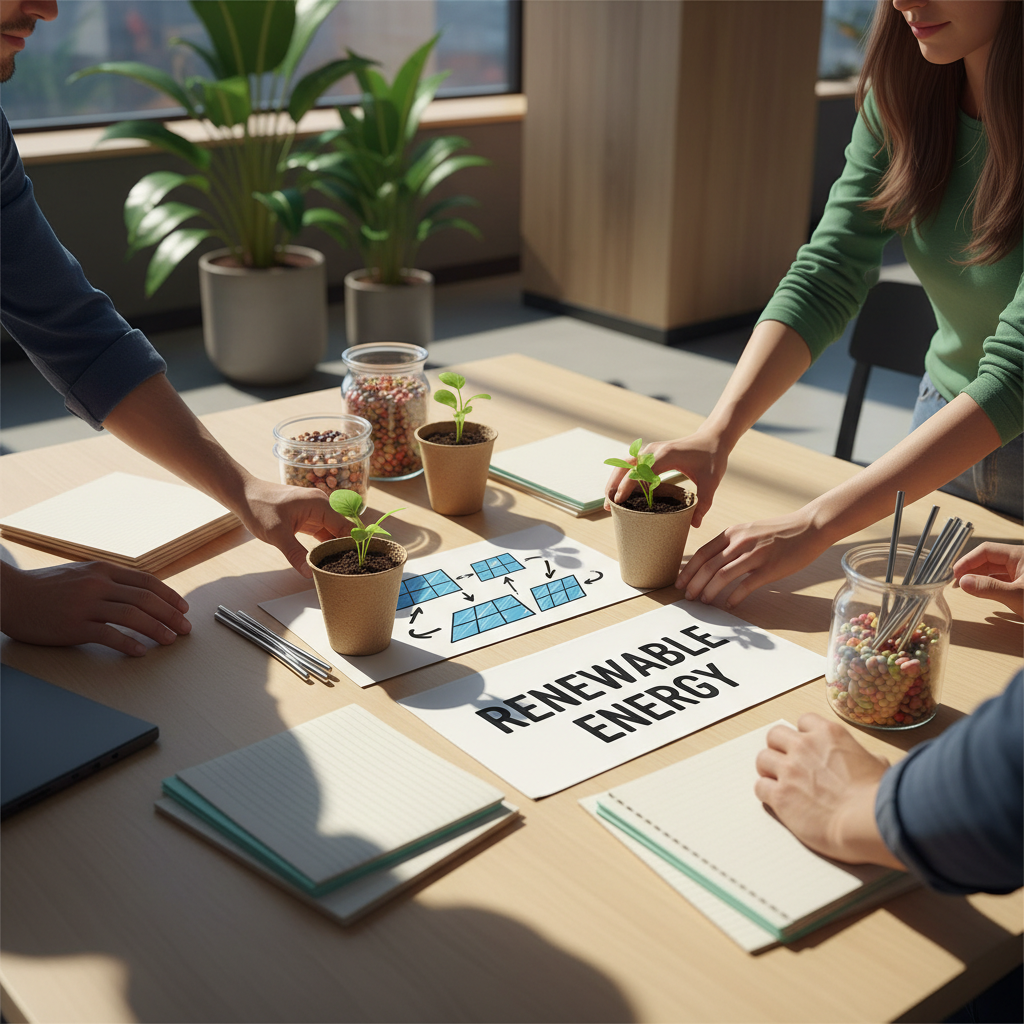
Energy efficiency remains a cornerstone of sustainable building practices. By incorporating design elements such as proper insulation, energy-efficient windows, and strategic building orientation, developers can significantly reduce a building's energy consumption.
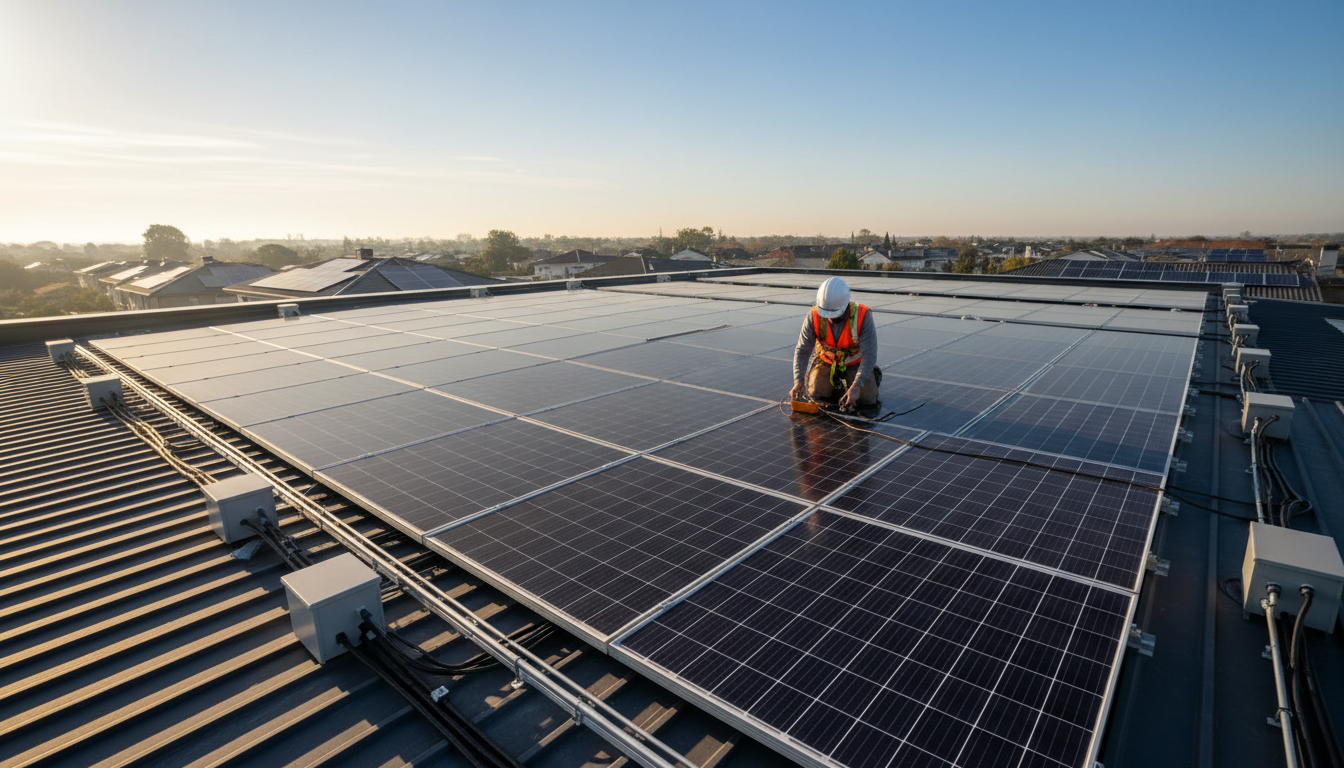
In addition, the integration of renewable energy sources, such as solar panels and wind turbines, is becoming increasingly common. These technologies not only provide clean energy but also reduce dependency on fossil fuels, further decreasing the carbon footprint of buildings.
Water Conservation Strategies
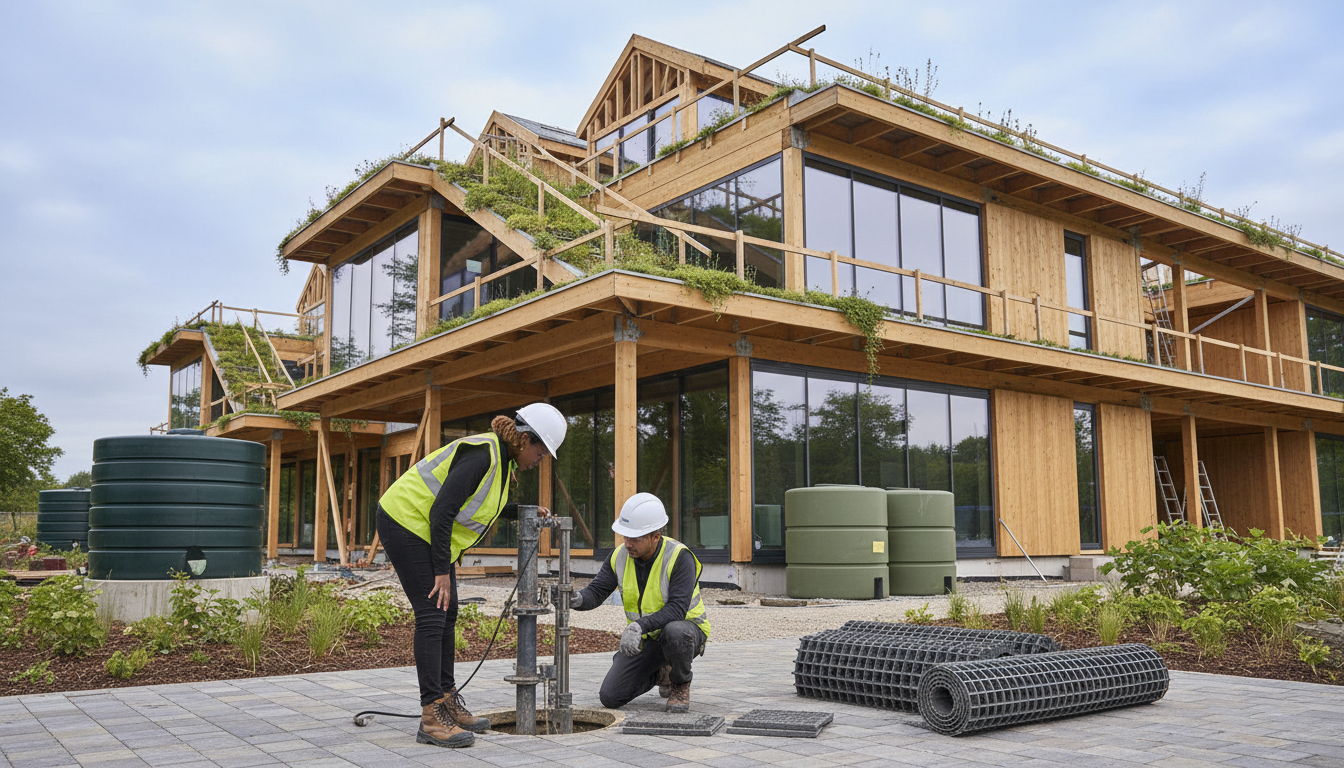
Water conservation is another crucial aspect of sustainable building. Implementing strategies such as rainwater harvesting, greywater recycling, and the use of low-flow fixtures can greatly reduce a building's water usage.
Green roofs and permeable pavements are also being used to manage stormwater runoff effectively, reducing the impact on local water systems and promoting biodiversity.
The Role of Certifications and Standards
Certifications and standards play a vital role in promoting sustainable building practices. Programs like LEED (Leadership in Energy and Environmental Design) and BREEAM (Building Research Establishment Environmental Assessment Method) provide guidelines for sustainable construction and recognize projects that meet their criteria.
These certifications not only help developers ensure their buildings are environmentally friendly but also offer market advantages by appealing to eco-conscious consumers and investors.
The Future of Sustainable Building
As technology continues to advance, the future of sustainable building looks promising. Innovations such as 3D printing and modular construction are making it easier and more cost-effective to build sustainably.
Furthermore, as more stakeholders recognize the long-term benefits of sustainability, it's likely that sustainable building practices will become the norm rather than the exception, leading to a more resilient and environmentally responsible built environment.