Preparing Your Home for Winter: A Handyman's Guide


Inspect Your Heating System
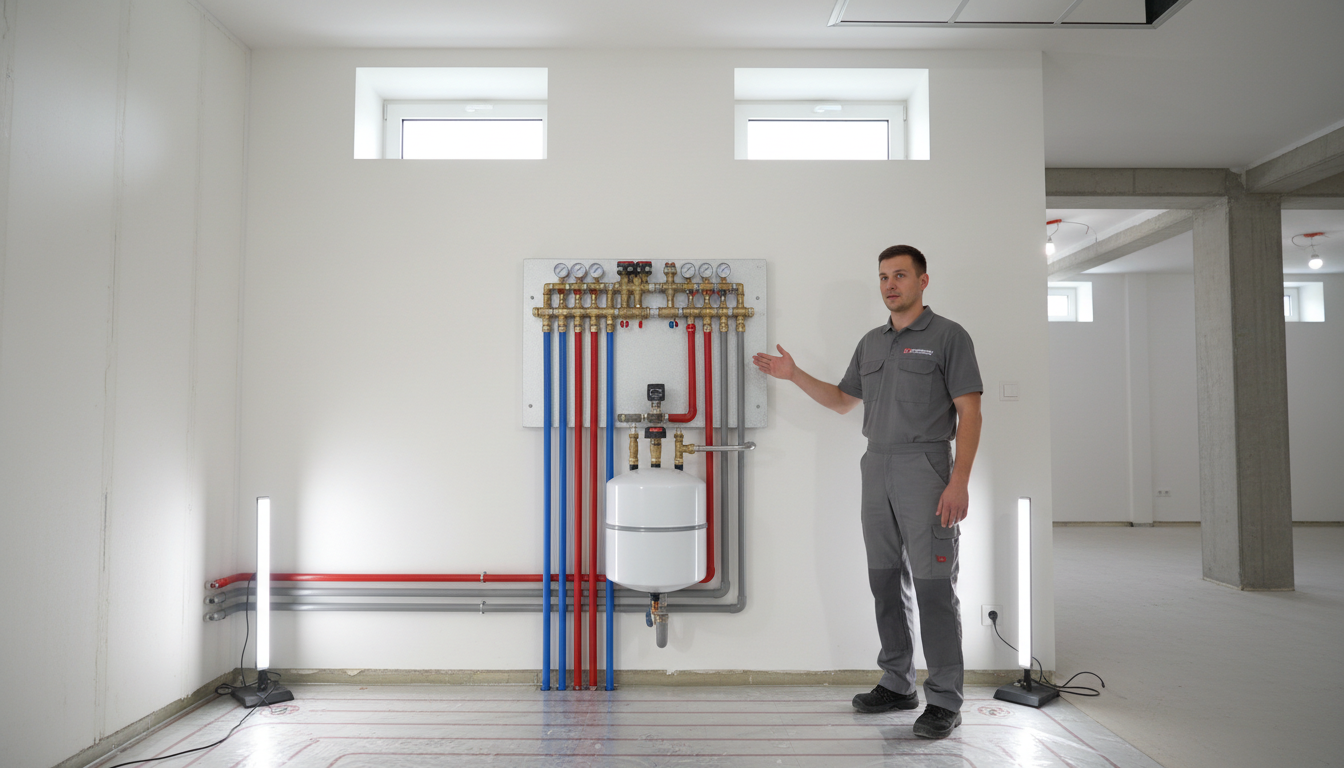
As the cold months approach, ensuring your heating system is in top condition is crucial. Start by scheduling a professional inspection for your furnace or boiler to guarantee it's running efficiently. Regular maintenance can help you avoid costly repairs and extend the life of your system.
Don't forget to replace filters in your HVAC system. Clean filters ensure better air quality and improve energy efficiency. Set a reminder to check them monthly during the winter season.
Seal Windows and Doors
Drafty windows and doors can significantly increase your heating bills. Make it a priority to inspect all windows and doors, looking for any gaps or cracks. Use weatherstripping or caulking to seal these areas, keeping the warm air in and the cold air out.
Consider installing storm doors and windows for added insulation. These can be a worthwhile investment, providing an extra barrier against the cold and potentially reducing energy costs.
Inspect the Roof and Gutters
Before winter hits, check your roof for any damaged or missing shingles. Repairing these issues now can prevent leaks and further damage during winter storms. A well-maintained roof is essential for keeping your home warm and dry.
Cleaning out gutters and downspouts is another critical task. Clogged gutters can lead to ice dams, which can cause water damage to your roof and interior walls. Ensure water flows smoothly away from your home.

Prepare Your Plumbing
Frozen pipes can cause significant damage and inconvenience. To prevent this, insulate exposed pipes in unheated areas like basements or crawl spaces. Pipe insulation is an affordable solution that can save you from costly repairs.
Additionally, disconnect and drain outdoor hoses. Shut off exterior faucets and consider installing frost-proof spigots to avoid frozen pipes. These small steps can make a big difference in maintaining your plumbing during winter.
Check Your Insulation
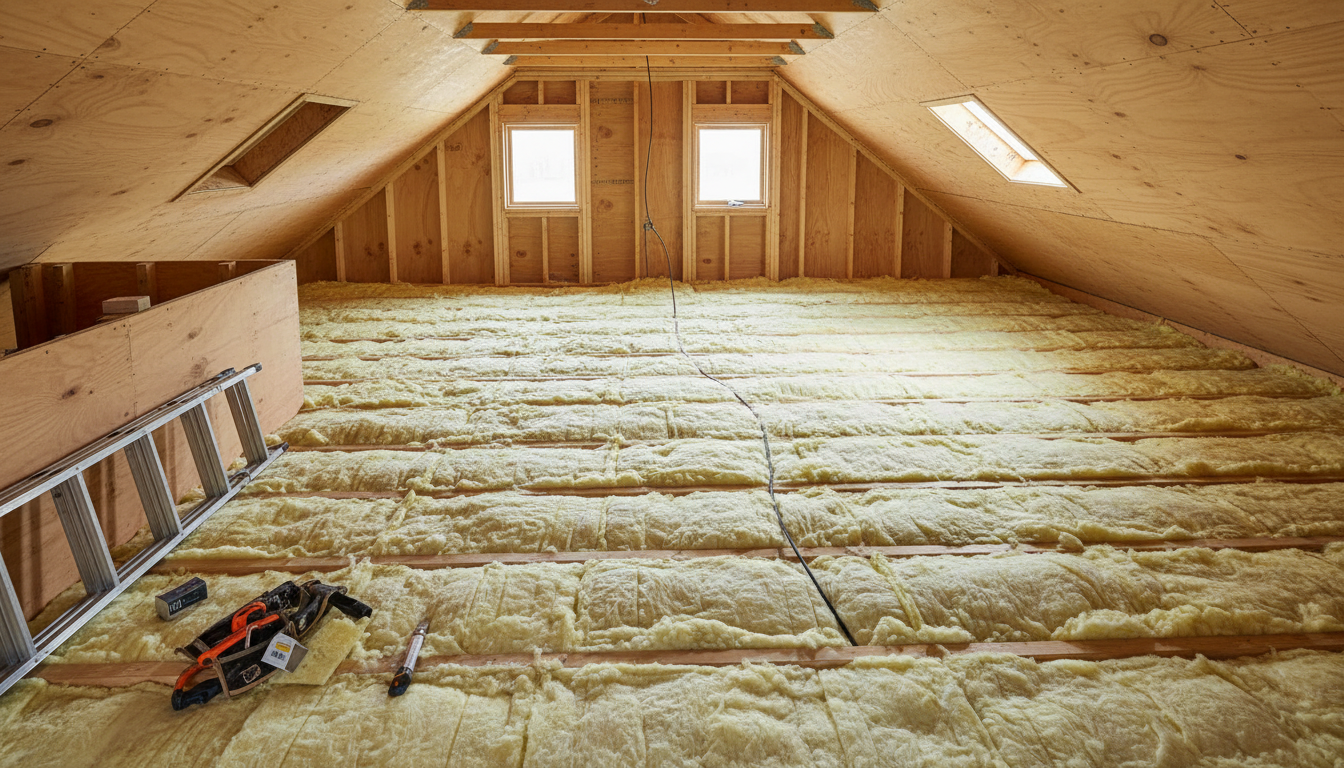
Proper insulation is key to keeping your home warm and energy-efficient. Inspect your attic, walls, and basement for adequate insulation levels. Adding more insulation where needed can significantly improve your home's heat retention.
Prepare Outdoor Spaces
Don't forget about your outdoor spaces. Store away garden hoses, patio furniture, and any equipment susceptible to winter weather. Cover grills and outdoor appliances to protect them from snow and ice.
Consider applying a weatherproof sealant to decks and porches to prevent water damage. These preparations can help preserve your outdoor investments and ensure they're ready for spring.
Test Detectors and Emergency Equipment
Winter often means increased use of heating systems, which can lead to carbon monoxide buildup. Ensure your smoke and carbon monoxide detectors are functioning correctly. Replace batteries regularly and test them monthly for safety.
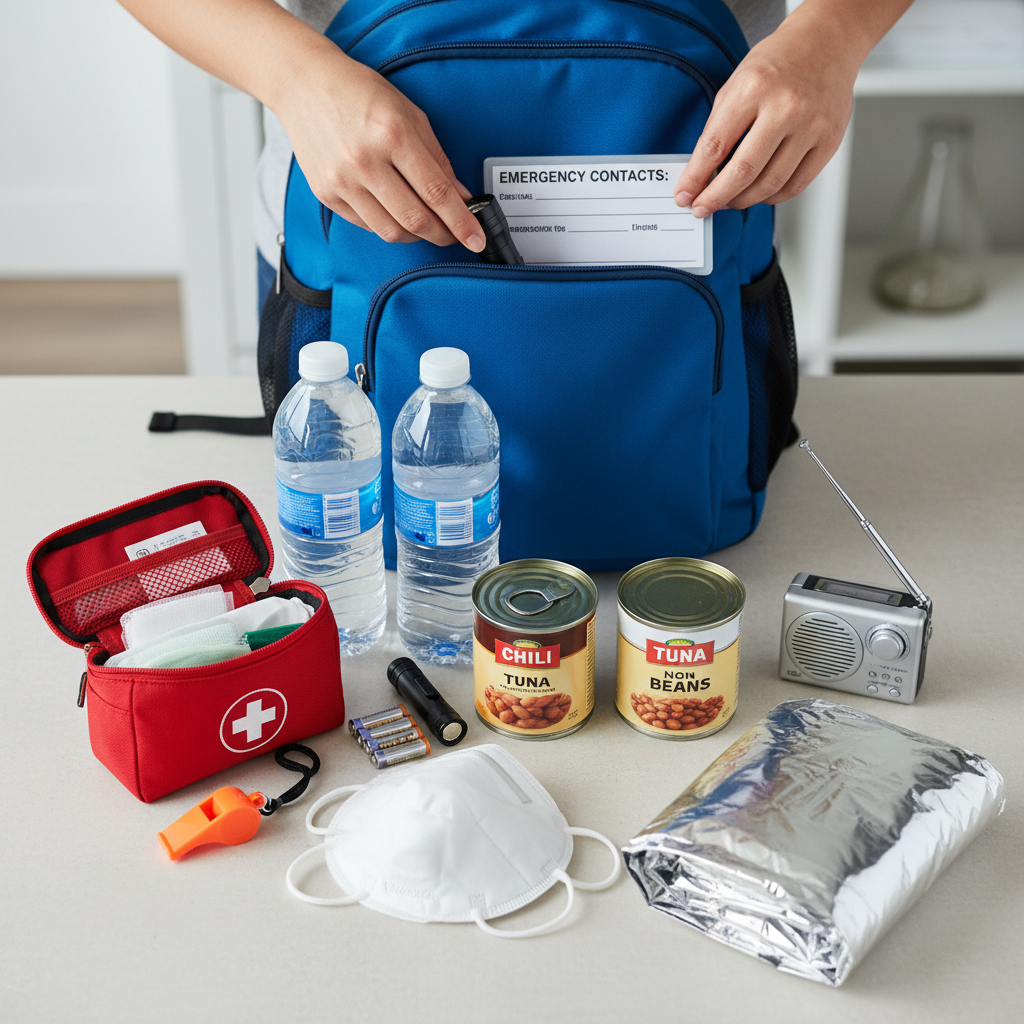
Also, check that you have a well-stocked emergency kit. Include items like flashlights, batteries, blankets, and non-perishable food. Being prepared for winter storms can provide peace of mind during power outages.
Conclusion
Preparing your home for winter can seem like a daunting task, but tackling these projects can help ensure a cozy and safe season. By addressing these areas, you can enhance your home's energy efficiency, prevent costly repairs, and enjoy the winter months in comfort. Take the time now to make sure your home is ready for whatever winter has in store.