Expert Insights: Avoiding Common Building Pitfalls


Understanding the Importance of Planning
Building a structure, whether residential or commercial, is a complex endeavor that requires meticulous planning. One of the most common pitfalls is failing to adequately plan every stage of the construction process. Without a comprehensive plan, projects are prone to delays and budget overruns. It's crucial to consult with architects and engineers early on to ensure that every detail is accounted for.
Additionally, investing time in research and acquiring the necessary permits beforehand can save a lot of hassle down the line. Starting a project without the proper documentation can lead to legal issues and potential project shutdowns.
Choosing the Right Materials
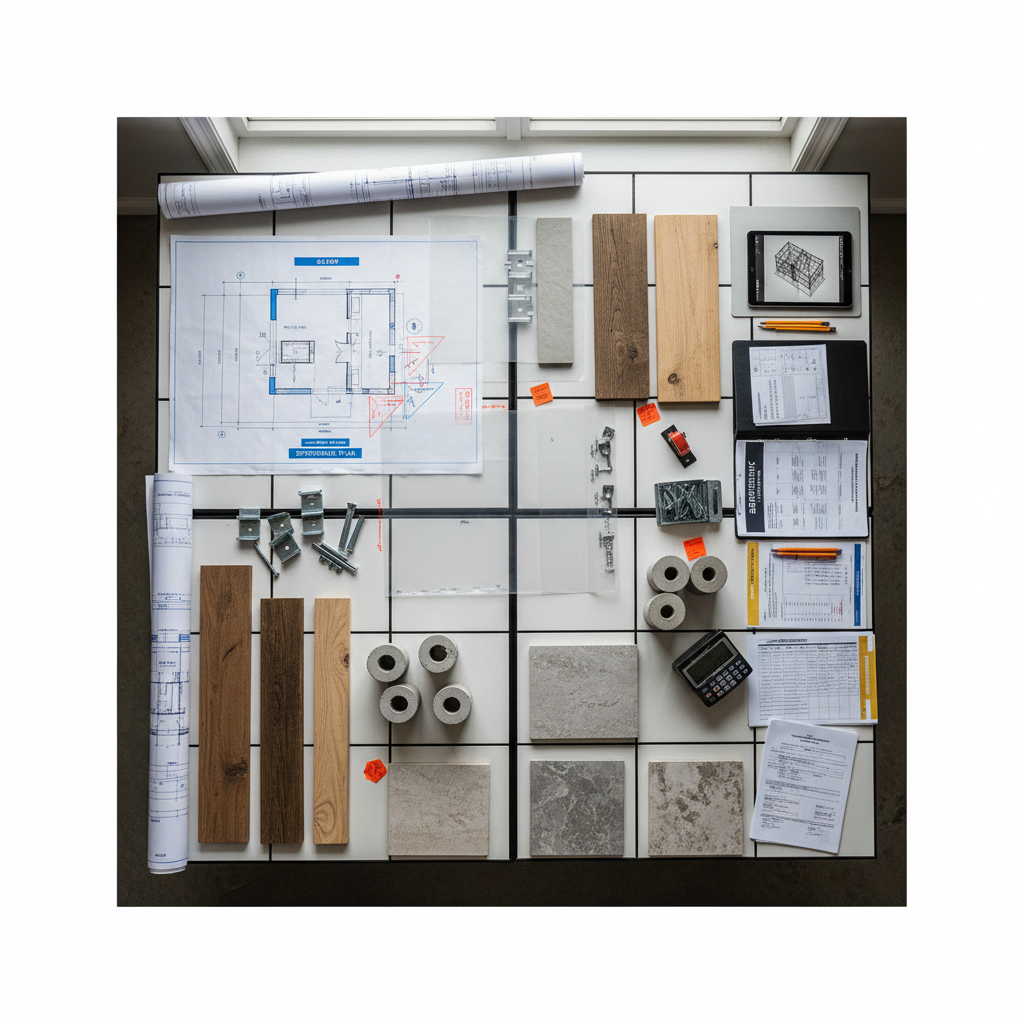
Another common mistake in construction projects is selecting inappropriate materials. The choice of materials can significantly impact the durability, aesthetics, and overall cost of the building. It’s essential to work with experts who can recommend materials that suit your project's specific needs and environmental conditions.
Consider factors such as sustainability and energy efficiency. Opting for eco-friendly materials not only benefits the environment but can also reduce long-term operational costs.
Effective Communication with Contractors
Communication is key in avoiding common building pitfalls. Misunderstandings between clients and contractors can lead to costly errors and delays. To mitigate this, establish clear lines of communication from the outset. Regular meetings and updates can help ensure everyone is on the same page.
It’s also beneficial to have a single point of contact who can relay information efficiently between parties. This minimizes the risk of mixed messages and helps maintain project momentum.
Monitoring the Budget
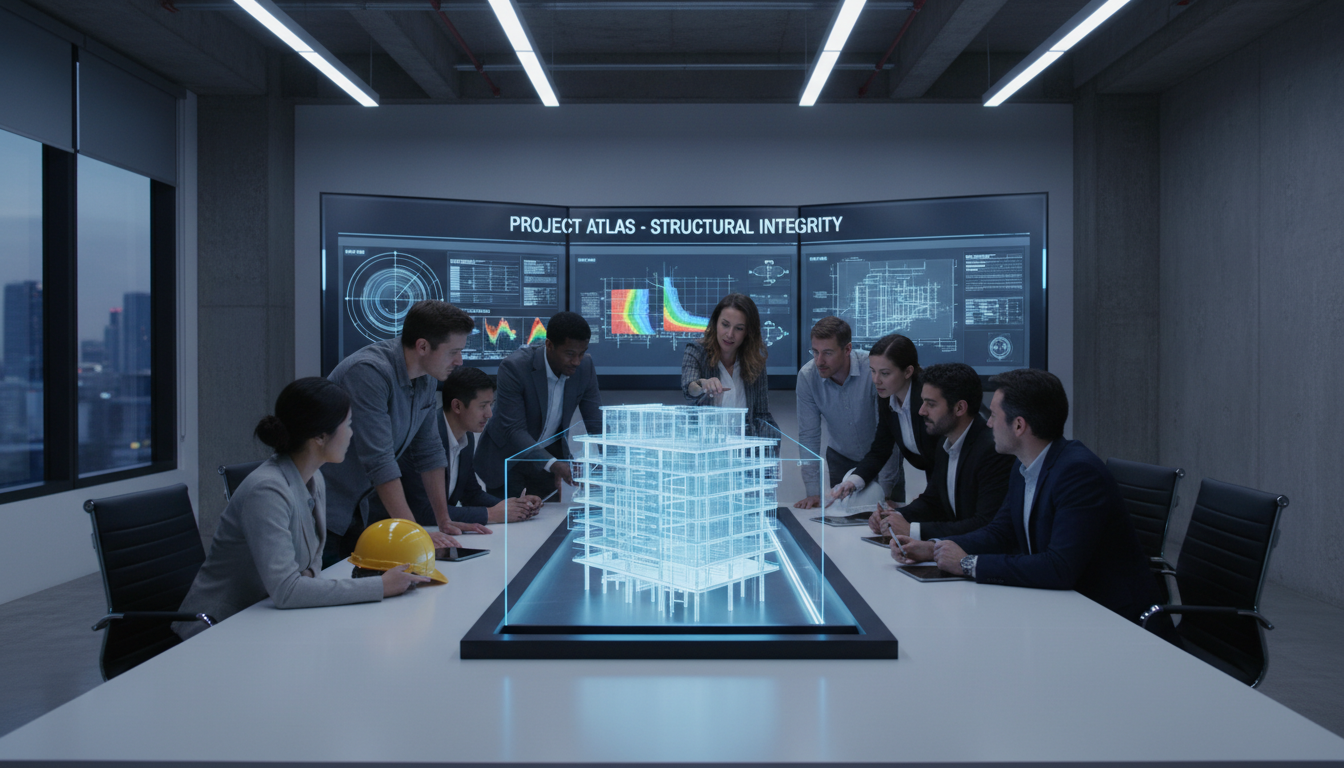
Cost overruns are a prevalent issue in construction. To prevent this, it’s vital to set a realistic budget that includes a contingency fund for unexpected expenses. Regularly review the budget and adjust as necessary to stay on track.
Utilizing project management software can provide real-time insights into spending and help identify potential financial issues before they escalate. Keeping an eye on the budget ensures that financial constraints do not compromise the quality of the build.
Ensuring Quality Control
Quality control is essential to the success of any building project. Regular inspections should be conducted to ensure that work is being completed to the required standards. This includes checking the structural integrity, safety measures, and compliance with building codes.
Engaging third-party inspectors can provide an unbiased assessment of the work, ensuring that no corners are cut and that the final product meets all specifications.
Adapting to Changes
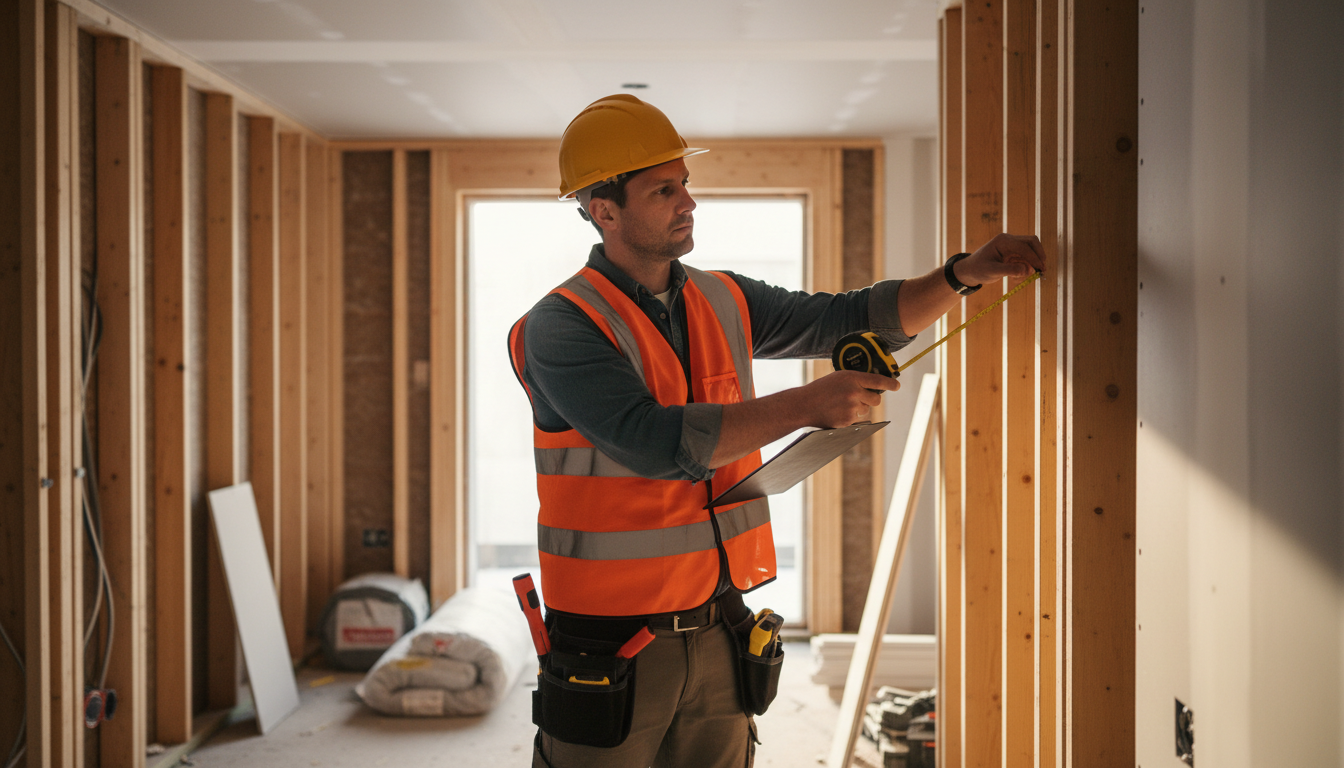
Flexibility is crucial in construction projects. Unforeseen challenges such as weather conditions, supply chain disruptions, or design changes can arise. Being able to adapt quickly can prevent small issues from becoming significant roadblocks.
Having a proactive approach and a team that is prepared to handle changes efficiently can ensure that the project remains on schedule and within budget.
Learning from Past Projects
Finally, learning from past projects can provide invaluable insights. Conducting a post-project review can highlight what worked well and what could be improved. This feedback loop can be instrumental in refining processes and avoiding similar pitfalls in future builds.
Documenting lessons learned and sharing them with your team fosters a culture of continuous improvement and can lead to more successful outcomes in subsequent projects.