DIY Tips: Simple Home Repairs You Can Do Before Calling a Professional


Fixing Leaky Faucets
One of the most common issues in any household is a leaky faucet. Not only can it be annoying, but it can also increase your water bill over time. Fortunately, fixing a leaky faucet is usually a straightforward process that doesn't require professional help. The first step is to identify the type of faucet you have—compression, ball, cartridge, or ceramic disk.
Once you've identified the type, you'll need to gather some basic tools: a wrench, screwdriver, and replacement washers or seals. Begin by turning off the water supply to the faucet. Then, disassemble the faucet carefully and replace any worn-out parts. Reassemble the faucet and turn the water back on to check if the leak is fixed.

Unclogging Drains
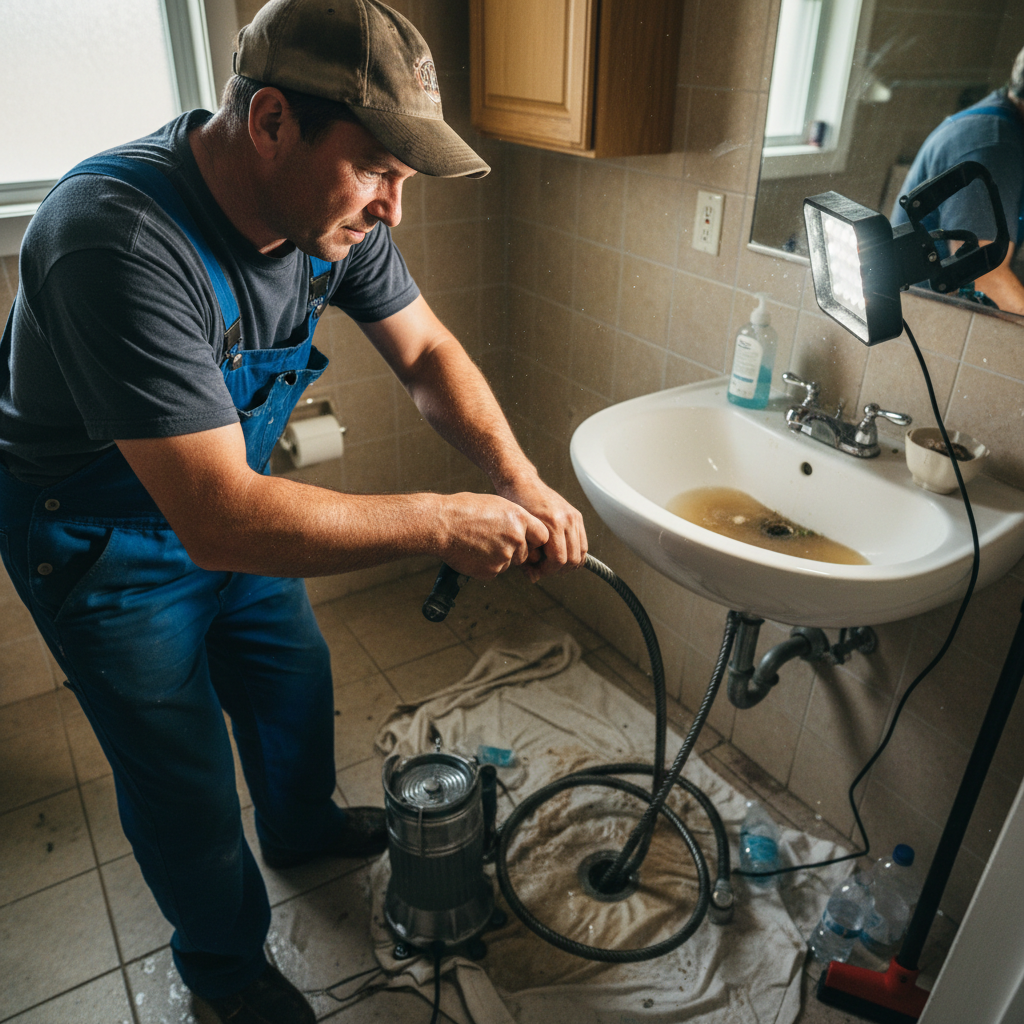
Clogged drains can be a hassle, but you might not always need a plumber to clear them. Often, a simple homemade solution can do the trick. Start by removing any visible debris from the drain. Then, try pouring a mixture of baking soda and vinegar down the drain. This combination creates a chemical reaction that can help break down the clog.
If the clog persists, a plunger or a drain snake can be very effective tools. Plunge the drain several times, or carefully use the snake to dislodge any stubborn blockages. Remember to wear gloves and goggles for safety when handling drain cleaning tools.
Repairing Drywall Holes
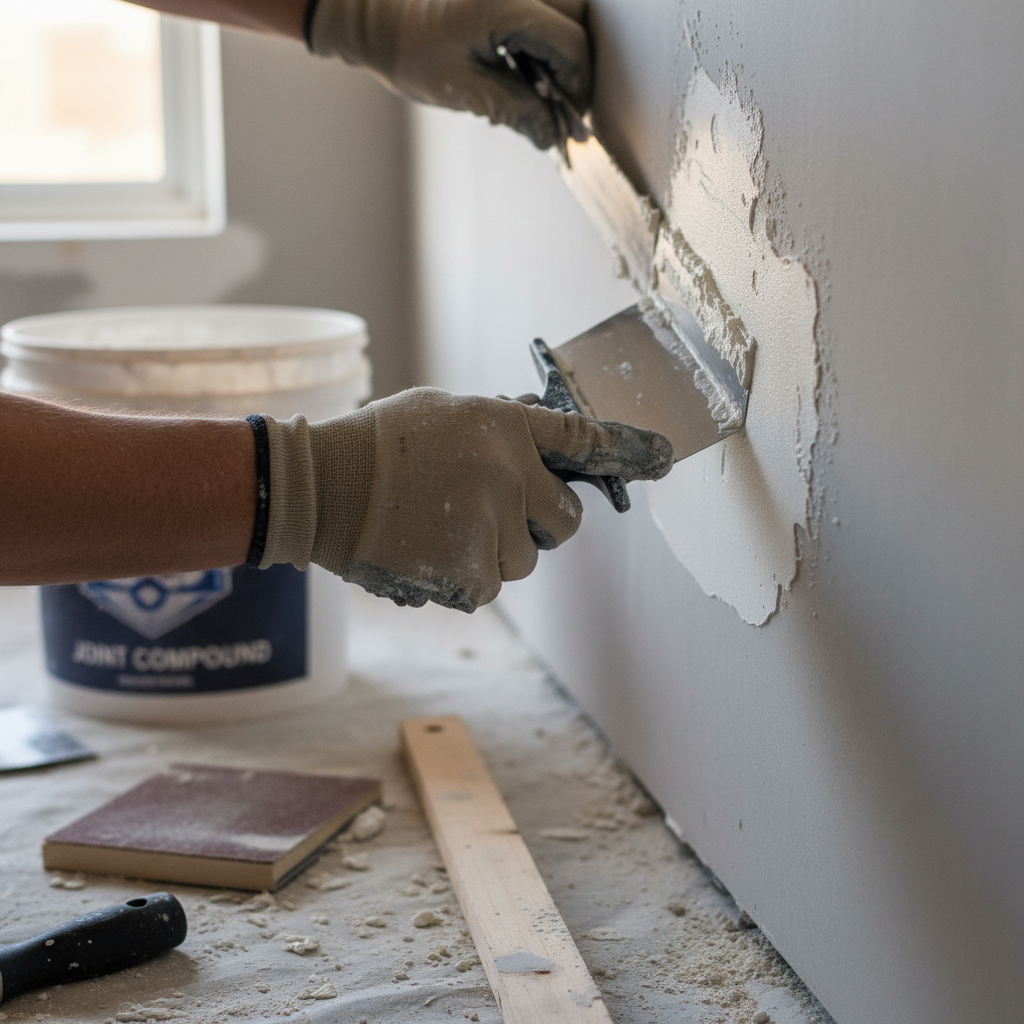
Small holes in drywall are inevitable, especially in busy households. Repairing these yourself is a simple task with the right materials. You'll need some spackle or joint compound, a putty knife, sandpaper, and paint to match your wall color.
Start by cleaning the area around the hole. Apply the spackle with a putty knife, smoothing it over the hole. Allow it to dry completely, then sand it down until it's flush with the wall. Finally, touch up the area with paint to match the surrounding wall.
Replacing Light Switches
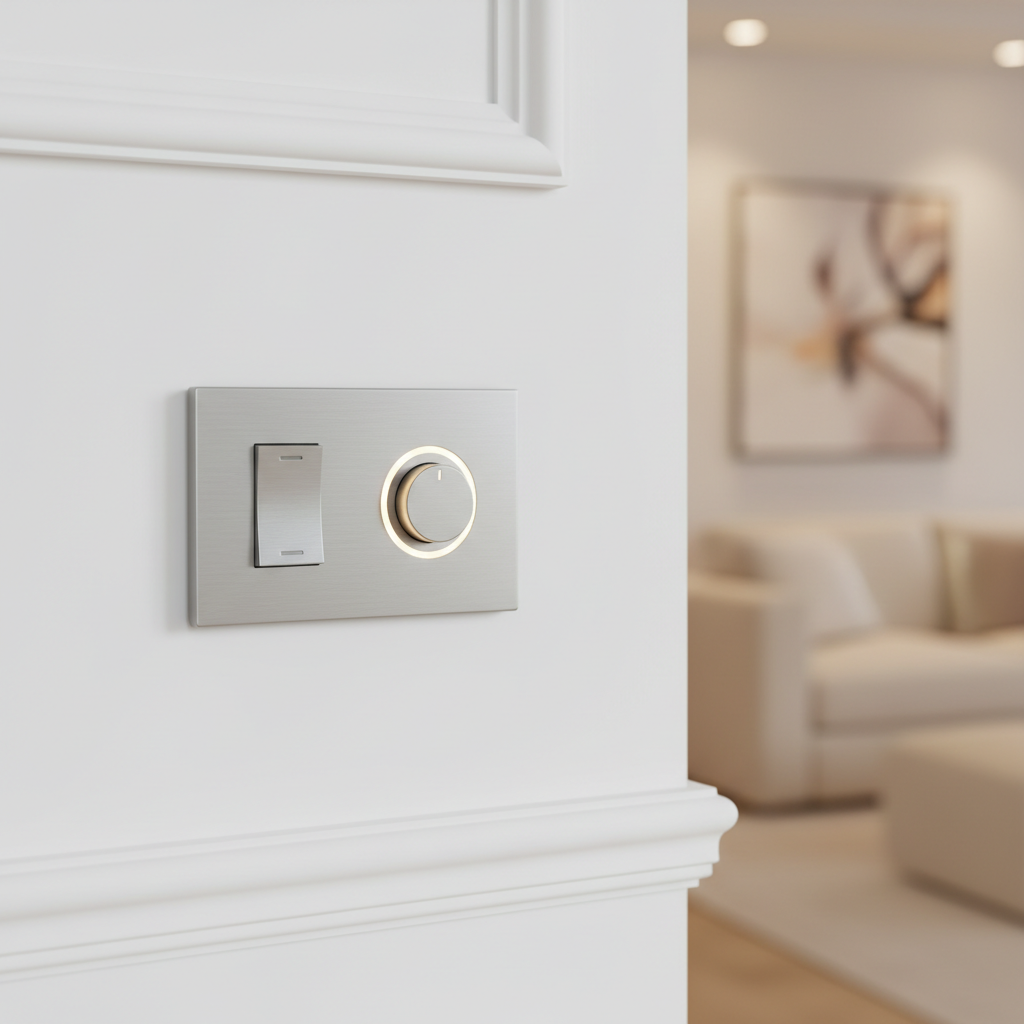
Changing a faulty light switch is another task you can handle without professional assistance. First, ensure that the power to the switch is turned off at the circuit breaker. Use a voltage tester to confirm there's no electricity flowing to the switch.
Remove the faceplate and unscrew the existing switch from the electrical box. Note how the wires are connected, then disconnect them. Connect the wires to the new switch in the same configuration. Secure the switch back into the box and replace the faceplate. Turn the power back on and test the switch.
Sealing Windows and Doors
Drafty windows and doors can lead to higher energy bills and decreased comfort in your home. Sealing these gaps is a task you can tackle to improve your home's energy efficiency. Use weatherstripping for doors and caulk for windows to seal any gaps or cracks.
Inspect the areas around your windows and doors for any visible air leaks. Apply the weatherstripping or caulk according to the product instructions. Ensuring a tight seal will help maintain a consistent indoor temperature and save on heating and cooling costs.