Case Study: Transforming a Kingston Upon Hull Home with Eco-Friendly Materials


Introduction to Sustainable Home Renovation
In the heart of Kingston Upon Hull, a remarkable transformation is taking place. Homeowners are increasingly turning to eco-friendly materials to renovate their homes, prioritizing both environmental sustainability and aesthetic appeal. This case study explores how one family embraced green living through their innovative renovation project.

Why Choose Eco-Friendly Materials?
Eco-friendly materials are not only beneficial for the environment but also for homeowners. These materials often offer superior durability, improved indoor air quality, and energy efficiency. By selecting sustainable options, homeowners can significantly reduce their carbon footprint while enjoying long-term cost savings.
Benefits of Sustainable Building Materials
The use of eco-friendly materials in home renovation projects offers numerous benefits:
- Reduced Environmental Impact: Many sustainable materials are recycled or sourced from renewable resources.
- Energy Efficiency: Materials like bamboo or reclaimed wood often have better insulating properties, reducing energy costs.
- Healthier Living Environment: Eco-friendly materials typically emit fewer volatile organic compounds (VOCs), improving indoor air quality.
Case Study: The Smith Family's Journey
The Smith family wanted to renovate their Kingston Upon Hull home with a focus on sustainability. Their vision was to create a living space that was both beautiful and kind to the planet. They began by researching materials that aligned with their eco-friendly ideals.
Choosing the Right Materials
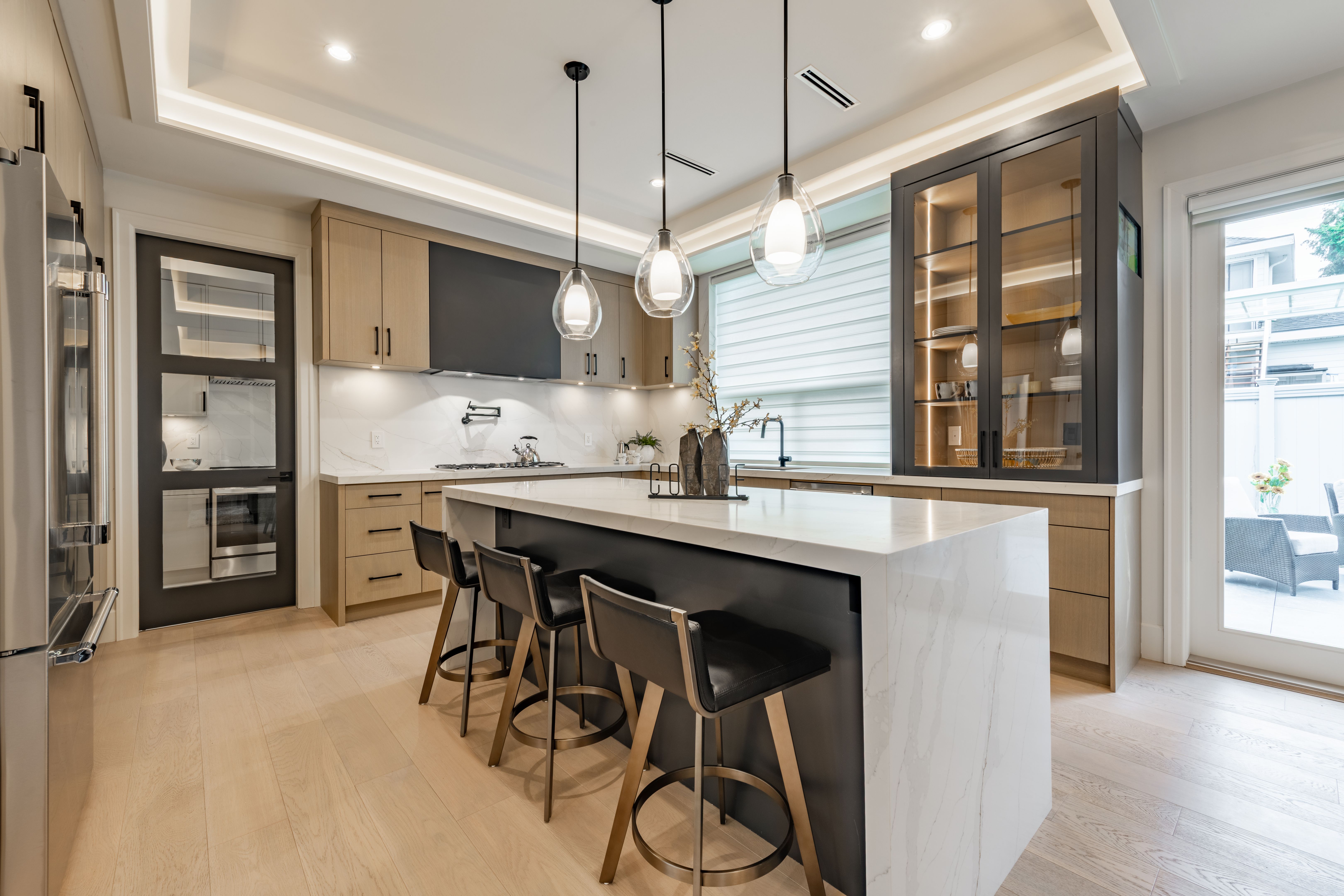
After extensive research, the Smith family decided on a combination of reclaimed wood, bamboo flooring, and recycled glass tiles. Each choice was made with careful consideration of the material's environmental impact and aesthetic appeal. The use of reclaimed wood added a rustic charm to their home, while bamboo flooring offered durability and a modern look.
Implementation and Challenges
Transforming a traditional home into an eco-friendly haven came with its challenges. Sourcing high-quality, sustainable materials required careful planning and communication with suppliers. Additionally, the family had to ensure that their contractors were experienced in handling and installing these specialized materials.
Overcoming Obstacles
Despite these challenges, the Smith family successfully navigated the renovation process. They worked closely with their contractor to develop creative solutions for any issues that arose, ensuring that their vision remained intact. Their dedication to sustainability was unwavering, and the results speak for themselves.
Results and Impact
The transformation of the Smith family home was a resounding success. Not only did the renovation enhance the aesthetic appeal of their property, but it also significantly reduced their energy consumption. The family reported lower utility bills and a noticeable improvement in indoor air quality.
Inspiring Others
The Smith family's project has inspired others in the Kingston Upon Hull community to consider eco-friendly renovations. By sharing their journey, they hope to encourage more homeowners to embrace sustainable living practices.
Conclusion
Incorporating eco-friendly materials into home renovations is not just a trend; it is a meaningful step towards sustainability. The Smith family's experience demonstrates the potential of such projects to improve both the environment and the quality of life for homeowners. As more people become aware of these benefits, the future looks bright for sustainable home renovation.